The short version: Buying and living there are separate questions. The Villages’ own FAQ says someone under 55 can live there if at least one household member is 55 and the person is at least 19. The recorded declarations for Units 70 and 277 say the same in legal terms, cap visits by anyone under 19 at 30 days a calendar year, and let the developer grant hardship exceptions only while at least 80% of homesites keep a resident 55 or older. Read the declaration for that unit. This page is plain-English orientation, not legal advice.
Ownership vs occupancy (the distinction that saves deals)
Out-of-state buyers often collapse two questions into one: “Can I buy in The Villages if I’m under 55?” Buying and occupying are not the same thing.
Here is what two recorded declarations say: The Villages of Sumter Unit No. 70 (restated in 2004) and Villages of Southern Oaks Unit No. 277 (recorded February 6, 2026). Both use the same age clause.
- Ownership. The age clause governs who occupies a home, not who holds title. Check the rest of the declaration for that unit for any other terms. Heirs: see selling an inherited house in The Villages.
- At least one resident 55 or older. Every home that is occupied must be occupied by at least one person who is at least 55.
- No permanent resident under 19. A resident 19 or older can live there as long as the 55-or-older resident does. The Villages’ FAQ puts it the same way.
- Visits by anyone under 19: 30 days a calendar year. The declarations allow visits and temporary stays of no more than 30 days in total in any calendar year. The FAQ words its visitor note around visitors under 18, so go by the declaration for the unit.
- Hardship exceptions, ages 19 to 55. The developer or its designee may grant them in its sole discretion, but not if that would leave fewer than 80% of homesites with a resident 55 or older. Residents must certify every occupant’s name and date of birth when the developer asks.
Older declarations word the age rules differently. Mo’s guide to The Villages deed restrictions compares four, from 1987 to 2026, and shows how to find the one recorded for a home. A Facebook comment is not a substitute.
What Florida and federal law add
Fair housing law generally bars discrimination based on familial status, but Florida’s version does not apply those familial status rules to housing for older persons (section 760.29(4)(a), Florida Statutes). For 55-and-older housing, section 760.29(4)(b)3 sets three conditions: at least 80 percent of occupied units have at least one person 55 or older, the community publishes and follows policies that show that intent, and it verifies occupancy under HUD’s rules.
Those HUD rules are in 24 CFR part 100. Section 100.305 sets the 80 percent test and lets a community choose its own age rule for units not occupied by someone 55 or older. Section 100.306 requires published policies that show the intent, and lists factors such as how the community describes itself to prospective residents and its advertising. Section 100.307 requires occupancy verified through reliable surveys and affidavits, updated at least once every two years. The declarations’ 80% hardship limit tracks that test: they state the intent that at least 80% of units always have a resident 55 or older.
How to read the rules for one home
- Find the unit.
District Government says the U/L number on a Villages ID card is the county’s first letter, then the unit, then the lot. Without a card, look for the plat name in the home’s legal description, and use Find My District to match the address to its district.
- Download the declaration.
On District Government’s Community Standards page, choose the county, then the district, then the unit.
- Read the use restrictions.
Find the age clause, then check the county Clerk’s official records for any recorded amendment.
- Put hardship questions in writing.
The declarations leave hardship exceptions to the developer or its designee. For a specific request or what a clause means for your household, talk with a Florida real estate attorney.
Working under 55, adult children, and investment angles (carefully)
Working under 55. Plenty of households have one partner still working. The occupancy question is still about who permanently resides there and whether a resident 55 or older is in place, not whether someone has a W-2.
Adult children. Buying for a parent, co-signing, or planning to “help Mom settle in” for three months means reading the declaration first. In the recorded declarations read for our deed restrictions guide, the 30-day visitor cap applies to anyone under 19. Mo walks that conversation before you write an offer.
Investment. Some buyers hold title and rent or leave a home for later occupancy. Rental and occupancy rules vary by section and deed. Do not assume every Villages address can be rented the same way. Confirm before you underwrite the deal. Renting out a Villages home walks through one unit’s lease terms, the rental taxes by county, and the homestead rule.
None of the above is legal advice. For a specific hardship request or deed interpretation, you need the documents, and often an attorney. Mo’s job is to spot the issue early and get you the right paperwork for that parcel.
How Mo works an under-55 file
- Separate buy vs live on call one.
Who will be on title? Who will permanently occupy? Any adult children or caregivers in the plan? We write that down before touring.
- Read the declaration for that home.
Age clause, visitor limit, rental language and the hardship terms, from the recorded document. Neighborhood folklore does not close loans or settle disputes.
- Stack the monthly number.
Bond, amenity fee, CDD maintenance and taxes: see the bond explained, the Villages amenity fee and cost of living in The Villages.
- Compare other addresses.
If a home’s occupancy rules don’t work for your plans, Mo runs the same monthly math on Oxford, Lady Lake, Wildwood and Summerfield addresses, each under its own documents.
We confirm the rules for the specific property before you commit. If a disability-related accommodation or caregiver arrangement is involved, ask the housing provider and a qualified attorney about the applicable process before concluding that occupancy is unavailable. You choose which eligible homes and communities to compare.
Sources: HUD 55+ occupancy rules, §100.305(e)(4) and reasonable accommodations, §100.204. Checked October 26, 2026.
Nearby areas buyers compare
Parts of The Villages sit in or near some of these places, so check whether an address falls under a Villages declaration before you assume it doesn’t.
| Area | Why buyers look here | Start here |
|---|---|---|
| Oxford | Check whether the address falls under a Villages declaration, and check bond and amenity fee on the parcel. Silver Maple sold, with Mo representing both buyer and seller. | Oxford guide |
| Lady Lake | Lake County; Palm St closed $307,000 (out-of-state seller who contacted Mo on Facebook) | Lady Lake guide |
| Wildwood | Turnpike / office corridor; different fee assumptions | Wildwood guide |
| Summerfield | Marion side toward Ocala; confirm bond/amenity per parcel | Summerfield guide |
| Ocala 55+ | Separate 55+ communities with their own recorded age rules; read those documents too | Ocala 55+ communities guide |
Related guides: The Villages bond, explained, moving to The Villages, Buying with Mo, all areas served.
Mistakes that cost under-55 buyers money
- Assuming “I bought it, so I can live there.”
Ownership and occupancy diverge. Confirm before you sell the house up north.
- Planning around a neighbor’s exception story.
Hardship exceptions are case-specific. Yours is not approved because theirs was.
- Ignoring the under-19 visitor cap.
In the recorded declarations read for our deed restrictions guide, anyone under 19 can visit for no more than 30 days in total a calendar year.
- Skipping the monthly stack until contract.
Bond + amenity + CDD + taxes change which address you can afford. Run it on the showing.
Questions people ask
Can someone under 55 buy a home in The Villages?
The age clauses in the recorded declarations read for our deed restrictions guide govern who lives in a home, not who holds title, so buying and living there are separate questions. Read the declaration for that unit, and for a specific situation talk with a Florida real estate attorney. This is not legal advice.
Do you have to be 55 to live there full-time?
Not every resident. The Villages’ FAQ says someone under 55 can live there if at least one household member is 55 and the person is at least 19. The recorded declarations for Units 70 and 277 require at least one resident 55 or older in every occupied home and no permanent resident under 19, and allow hardship exceptions for ages 19 to 55 only while at least 80% of homesites keep a resident 55 or older.
What if I want my adult children to stay with me?
Under the recorded declarations for Units 70 and 277, a resident 19 or older can live in a home as long as at least one resident is 55 or older. Visits by anyone under 19 are capped at 30 days in total a calendar year. Read the declaration for the unit you are buying.
What does Florida law say about 55+ communities?
Florida’s fair housing law exempts housing for older persons from its familial status rules. For 55-and-older housing, at least 80 percent of occupied units must have at least one person 55 or older, the community must publish and follow policies showing that intent, and it must verify occupancy under HUD’s rules (section 760.29(4), Florida Statutes).
What are the alternatives near The Villages if under-55 occupancy is a problem?
Buyers often compare homes in Oxford, Lady Lake, Wildwood and Summerfield, but parts of The Villages sit in or near some of those places, so check whether an address falls under a Villages declaration. Ocala-area 55+ communities have their own recorded age rules, so read those documents too. Start with the parcel, then compare monthly costs.
Sources
Checked October 25, 2026. Declarations can be amended and rules change, so confirm the current recorded version for the unit before relying on any term.
- The Villages: frequently asked questions (living there under 55, visitors)
- Amended and Restated Declaration of Restrictions, The Villages of Sumter Unit No. 70 (S5-70), 2004
- Declaration of Covenants, Conditions and Restrictions, Villages of Southern Oaks Unit No. 277 (S16-277), recorded February 6, 2026
- District Government: Community Standards (Declaration of Restrictions lookup by county, district and unit)
- District Government: Find My District
- Florida Statutes §760.29 (2026): exemptions, including housing for older persons
- 24 CFR 100.305: 80 percent occupancy (eCFR)
- 24 CFR 100.306: intent to operate as housing for persons 55 or older (eCFR)
- 24 CFR 100.307: verification of occupancy (eCFR)
- Mo’s guide to The Villages deed restrictions
Important: general real estate information only, not legal advice. A declaration is a legal document; for the meaning of a clause or a hardship request, talk with a Florida real estate attorney. Mo Mufti is a Florida REALTOR® (license SL3600299) with LPT Realty, LLC, not an attorney, and is not affiliated with The Villages or District Government.
Recent sales Mo handled
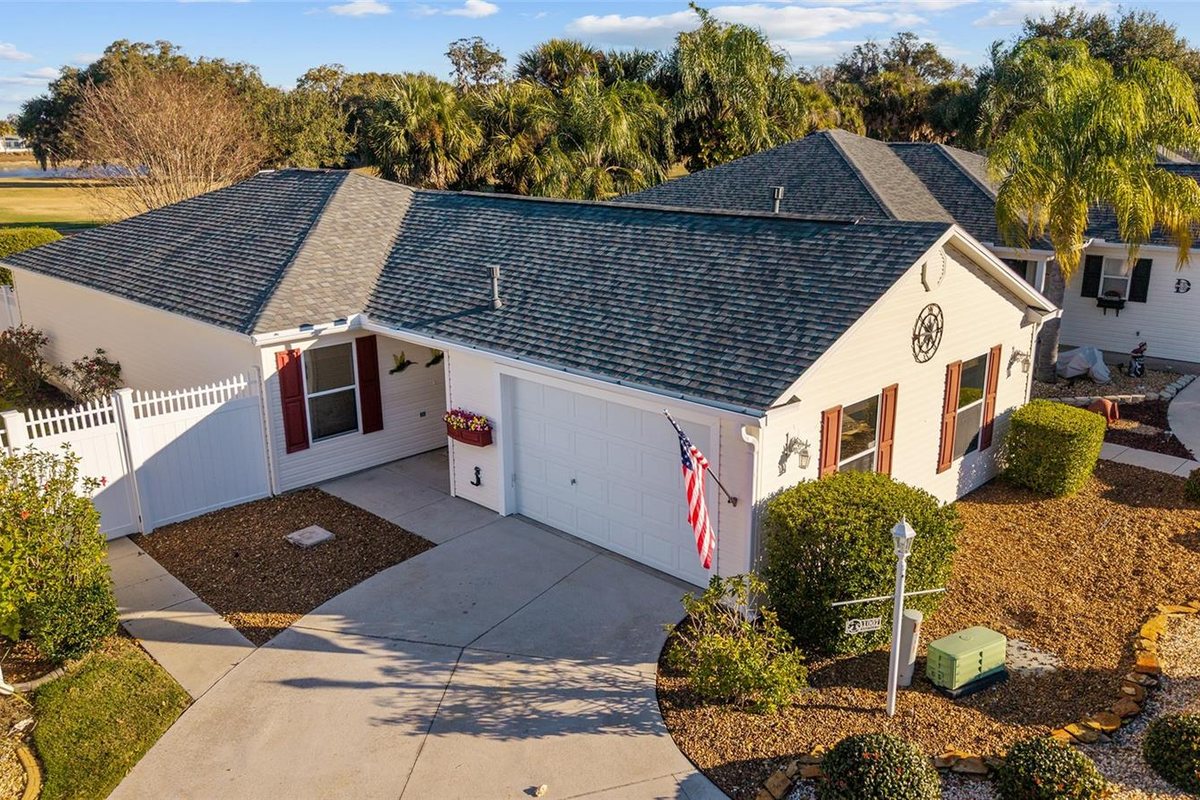
Closed at $315,000 on April 30, 2026 for out-of-state buyers. Mo uses the same remote-buyer process when occupancy rules and monthly costs have to be clear before you book a flight.
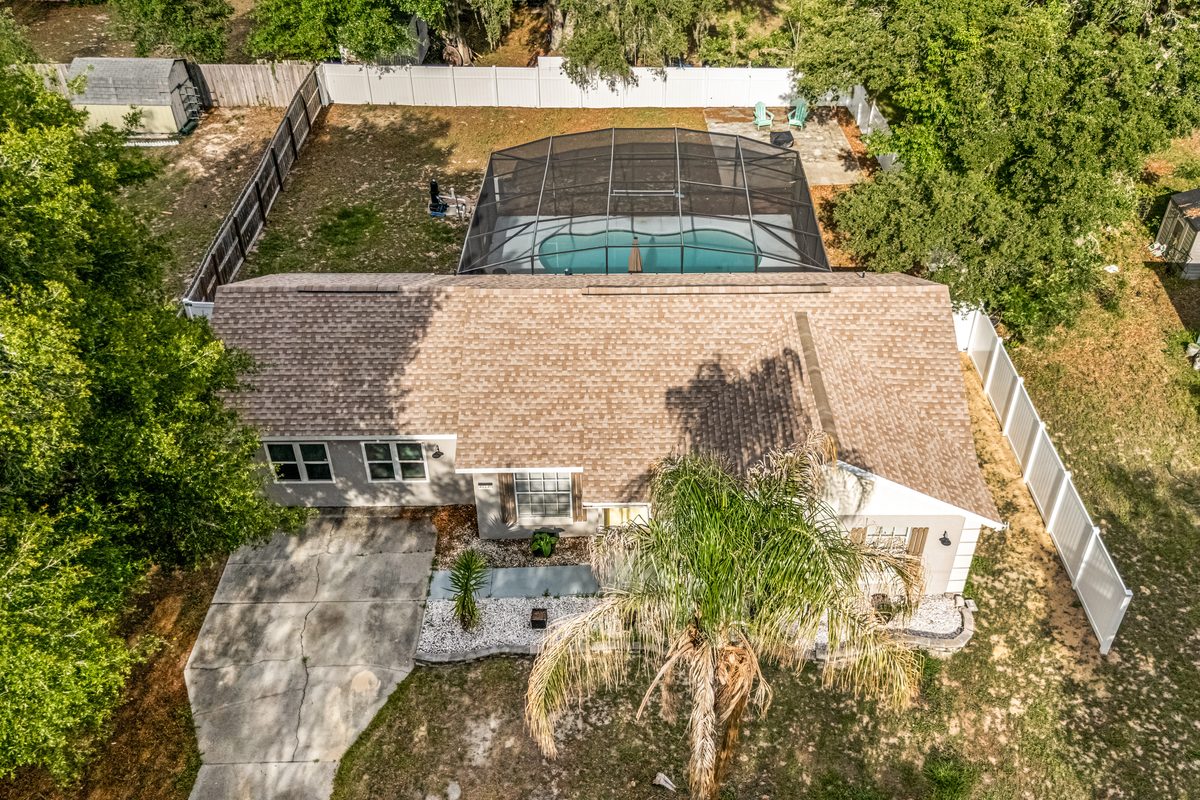
Listed $299,999. Sold over asking at $307,000 on July 22, 2026. Out-of-state seller reached Mo on Facebook. Useful when you are comparing Lady Lake monthly math to a Villages address.
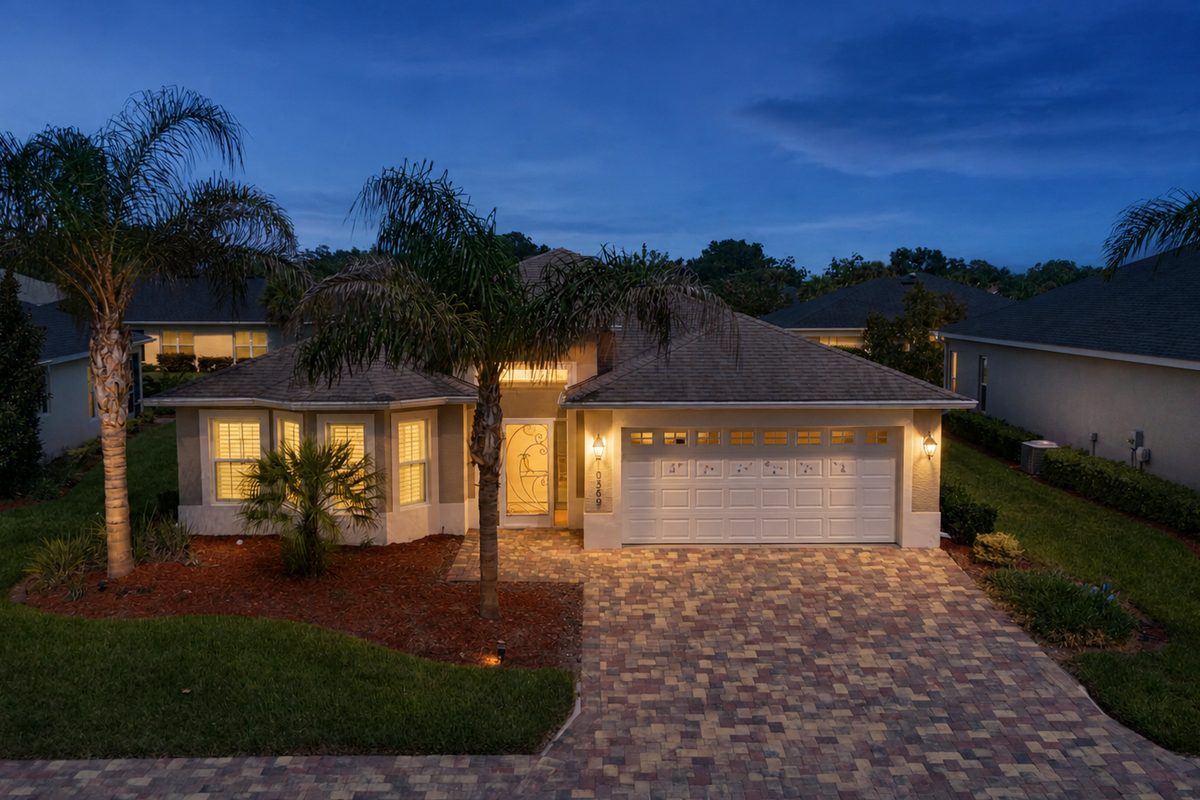
Sold. Mo represented both buyer and seller. Outside The Villages’ bond and amenity fee structure; check the parcel’s own assessments on the tax bill. Useful when you are comparing Oxford monthly math to a Villages address.